Rosa Schröder · 5 September 2026
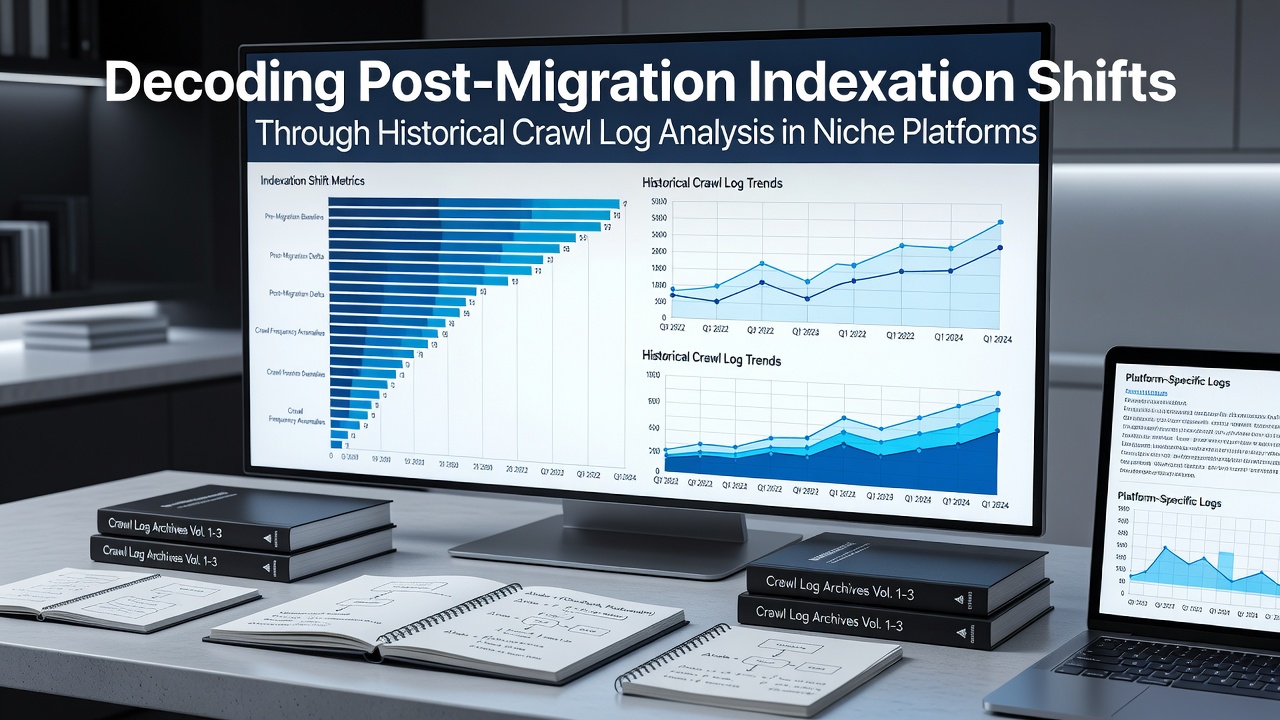
Decoding Post-Migration Indexation Shifts Through Historical Crawl Log Analysis in Niche Platforms
Website migrations often trigger noticeable changes in how search engines index content, and researchers have turned to historical crawl log analysis as a primary method for understanding these shifts in niche platforms. Data collected from server logs before and after a migration reveals patterns in crawl frequency, URL discovery rates, and indexing status that standard analytics tools sometimes overlook. In September 2026 observers noted increased reliance on this approach among platforms operating in specialized verticals where traffic depends heavily on precise indexation.
Understanding Indexation Shifts After Migration
Indexation shifts occur when search engines alter the volume or priority of pages they include in results following structural changes to a site. Experts track these adjustments through crawl logs that record every request made by bots such as Googlebot or Bingbot along with response codes and timestamps. Researchers discovered that niche platforms experience more pronounced fluctuations because their content tends to cluster around specific themes and receives fewer broad external signals.
Analysis begins with baseline logs gathered in the months preceding migration, then continues with post-migration records to isolate variables. Those who've studied this process note that redirect chains, changes in URL structure, and shifts in internal linking all leave detectable traces in the log files. Data shows that platforms which maintain consistent crawl patterns across the transition retain higher percentages of indexed pages within the first sixty days.
Methods for Historical Crawl Log Examination
Analysts parse large volumes of log entries using scripts that categorize requests by user agent, status code, and path depth. They compare pre-migration and post-migration datasets to quantify differences in crawl budget allocation and error rates. Studies found that tools capable of handling compressed log formats accelerate this work while preserving timestamp accuracy across multi-week periods.
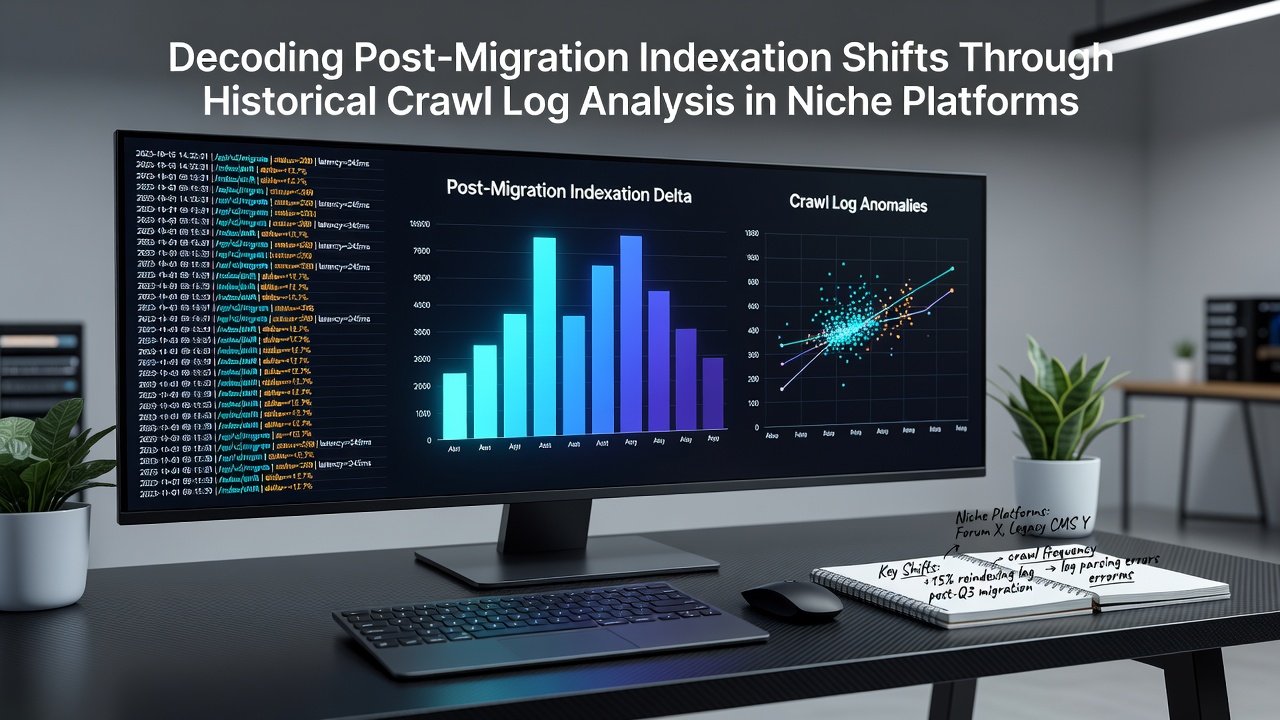
One study revealed that filtering logs for successful 200 responses versus 404 or 301 codes highlights pages that search engines stop visiting after migration. Researchers cross-reference these findings with index coverage reports from search console interfaces to validate whether missing crawl activity correlates with de-indexation. The approach proves especially useful on niche platforms where sitemaps may not capture every dynamic URL variant.
Application to Niche Platforms
Niche platforms often operate with smaller technical teams and custom content management systems that generate complex URL structures. Historical crawl log analysis helps identify when these structures cause search engines to overlook newly migrated sections. According to figures from web infrastructure reports, platforms in hobbyist and community-driven categories saw average indexation recovery times extend by twenty-five percent compared with general sites after similar migrations.
Observers note that combining log data with server response timing reveals whether slower page loads post-migration reduce crawl frequency. Experts have observed that platforms addressing these delays through targeted cache adjustments regained indexing momentum more quickly. In practice, teams segment logs by content type to determine which categories suffer the largest drops, then prioritize fixes accordingly.
Key Findings from Recent Analyses
Research indicates that migrations involving subdomain consolidation frequently produce temporary spikes in uncrawled URLs that persist beyond ninety days if internal linking is not updated. Data from multiple case reviews shows that platforms restoring historical crawl volume within thirty days achieved more stable indexation curves. Those who've examined logs across geographic regions report similar patterns regardless of hosting location, though latency differences appear in raw timing metrics.
But here's the thing: platforms that preserved exact redirect mappings from old URLs to new ones recorded fewer instances of dropped indexation in specialized topic clusters. Academic sources such as research papers on web archiving confirm that consistent redirect handling reduces the window during which search engines must rediscover content. Additional evidence from Canadian digital infrastructure studies highlights how regional platforms benefit from the same log-driven monitoring techniques.
Conclusion
Historical crawl log analysis supplies concrete data for decoding post-migration indexation shifts on niche platforms, allowing teams to trace changes back to specific technical decisions. Researchers continue to refine parsing methods that handle increasing log volumes while maintaining temporal precision. Platforms that integrate these insights into their migration planning maintain stronger visibility across search results over extended periods.